In the digital-first environment, most organizations rely on technology to carry out their daily operations. Servers, networks, and user-end systems all need to be regularly maintained if they are to operate properly. This is the point at which an IT Annual Maintenance Contract (AMC) becomes relevant. An IT AMC is basically a formal agreement between a business and an IT infrastructure solution provider that outlines the terms of support, maintenance, and monitoring of the business’s IT assets. The IT infrastructure solution provider will usually be the one executing the work.
Understanding IT AMC in practical terms
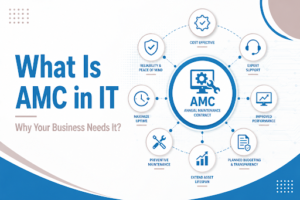
An IT AMC is far more than a repair deal. It is an approach to the management of IT that is preventative. Businesses follow a planned schedule of system checks, updates, and performance reviews, instead of reacting to breakdowns. This reduces downtime and extends efficient utilisation of hardware and software.
Most IT AMCs typically cover:
- Routine system health checks
- Network and server monitoring
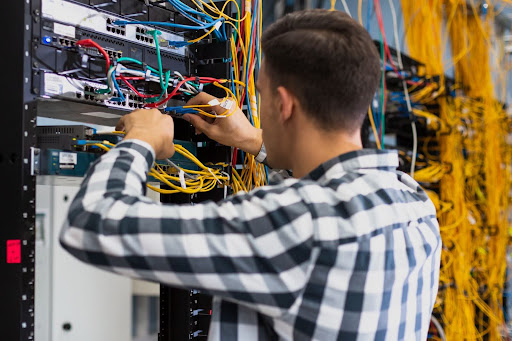
- Hardware troubleshooting and replacement support
- Software updates and patch management
- Basic cybersecurity checks and backups
This well-planned framework keeps the stress out of IT issues, allowing employees to fully engage in their productive work.
Why reactive IT support is risky
Small to medium-sized enterprises still make use of on-call IT support. Although this appears to be the most economical means at the initial stage, eventually, it gives rise to several additional expenses. Unplanned failures can halt operations, delay client commitments, and even cause data loss.
An AMC helps monitor IT systems all the time. Issues get noticed early, sometimes before the users themselves. This proactive approach, which is always adopted by an IT infrastructure solutions provider, ensures predictability in IT operations, which is an important requirement for organizations during times of growth.
Key advantages businesses gain
An IT AMC provides technological as well as operational advantages. These are:
- Predictable costs: The fixed pricing plan makes budgeting easier because there are no surprise costs.
- Less Downtime: Maintenance ensures that the equipment runs flawlessly.
- Enhanced security posture: Regular updates and checks reduce the chances of confronting cyber threats.
- Faster resolution of issues: Support teams are already aware of the environment.
- Improved asset lifespan: Upkeep of hardware increases its performance and longevity.
Together, these advantages create a more resilient IT environment that supports long-term business goals.
How IT AMCs support business continuity
Business continuity relies heavily on how well IT systems can perform during normal and sudden situations. AMC for IT helps in creating continuity by ensuring that backups are periodically tested, systems are well-documented, and recovery processes are clearly outlined. In such cases, hardware failures and software problems will reduce response time and confuse due to predefined procedures. This level of preparedness will be additionally useful for businesses operating on real-time data access, a remote work environment, and customer-facing digital platforms. With time, this structured support will minimize the operational risks and will build confidence in the reliability of the IT setup.
What businesses should look for in an IT AMC?
All AMCs are not alike. Enterprises need to ensure that their requirements are met by the agreement. The agreement outlining the service requirements, response times, and reporting mechanisms is the key. The best part about leveraging a service provider is that they can also help in scaling, best practices, and technology integration to meet business growth, besides problem-solving.
A long-term view on IT reliability
For PC Zones IT Services, an IT AMC works best when it’s treated more as a partnership than a transactional service. When organizations work closely with an IT infrastructure solution provider, they benefit from consistent system performance, informed decision-making, and reduced operational stress. In the long run, this structured support model helps businesses stay prepared for evolving technology demands while keeping everyday IT challenges under control.